






What Makes the Best Coffee? How to Make the Best Coffee at Home
What Makes the Best Coffee? A Guide to Brewing the Perfect Cup
For many people, a great cup of coffee is one of life’s simple pleasures. Whether you’re an experienced coffee lover or just someone looking to improve their daily brew, understanding what makes the best coffee can elevate your experience. From choosing the right beans to nailing the brewing process, every detail plays a role in creating a coffee that’s rich, flavorful, and satisfying. Let’s take a closer look at what really goes into making the best cup of coffee.
1. Start with Quality Coffee Beans
If you’ve ever had a cup of coffee that just didn’t taste quite right, chances are, it came down to the beans. The beans you use have a huge impact on the flavor of your coffee, so it’s important to start with high-quality beans. There are two main types:
- Arabica beans are smoother and milder, with a sweeter, more complex flavor.
- Robusta beans are stronger, with more bitterness and higher caffeine content, making them popular in espresso blends.
Look for beans that are freshly roasted—coffee loses its flavor quickly after roasting. If you can, buy your beans from a local roaster or a trusted brand that values quality.
2. Grind Size: It’s More Important Than You Think
The grind size of your coffee beans is another critical factor. Different brewing methods require different grind sizes to extract the best flavor. For example:
- A coarse grind is best for a French press.
- A medium grind works well for drip coffee makers.
- A fine grind is ideal for espresso.
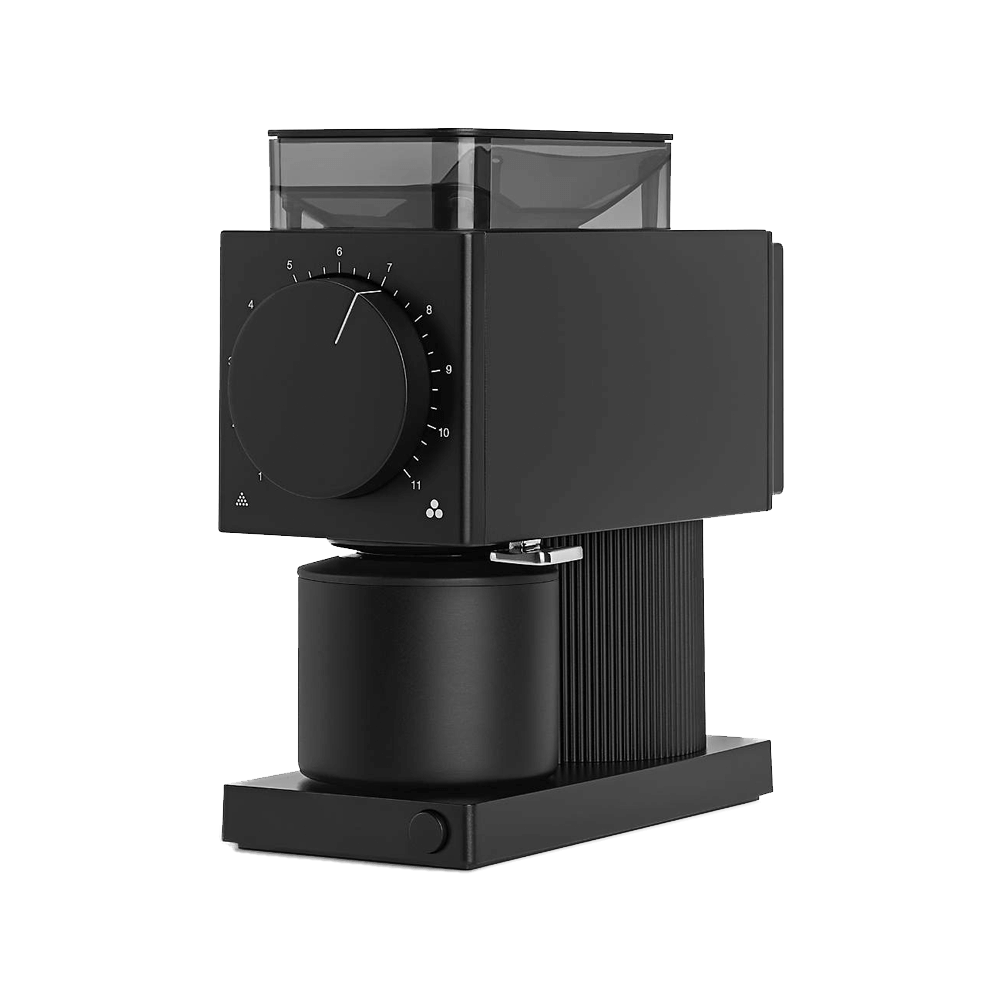
Grinding your beans just before brewing is always the best option for fresh flavor. And make sure to use a good-quality burr grinder to ensure a consistent grind size.
3. Water Quality and Temperature
Water might seem like an afterthought when it comes to coffee, but it’s actually one of the most important factors. After all, coffee is 98% water! For the best taste, use clean, filtered water free from chlorine or other impurities that can affect the flavor.
Water temperature is also key. Too hot, and you’ll over-extract the coffee, making it bitter. Too cold, and it will under-extract, resulting in a weak brew. Aim for a temperature between 195°F and 205°F (90-96°C) for the best extraction.
4. Get the Right Coffee-to-Water Ratio
Finding the perfect coffee-to-water ratio is essential for balancing strength and flavor. A general guideline is 1 part coffee to 15 parts water. If you prefer a stronger cup, you can adjust that ratio to suit your taste.
Consistency is key, so try to use the same amount of coffee and water each time you brew. Using a scale to measure both can help you achieve the perfect cup every time.
5. Choose the Right Brewing Method
Your brewing method has a big influence on the flavor and texture of your coffee. Each method extracts the flavors from the beans in a slightly different way, so it’s worth experimenting to see which one you like best. Here are a few popular methods:
- Espresso: A rich, concentrated coffee made under high pressure.
- Pour-Over: A method that gives you control over the brew, producing a clean and complex cup.
- French Press: A full-bodied coffee with a heavier texture, great for those who enjoy a strong brew.
- Drip Coffee Maker: A classic and convenient option for a well-balanced cup.
Each method has its own unique flavor profile, so find the one that works best for you.
6. Freshness is Key
The freshness of your coffee matters more than you might think. Once coffee beans are roasted, they begin to lose their flavor, so it’s best to brew with beans that have been roasted recently. Ideally, you should consume them within a few weeks of roasting.
To keep your beans fresh, store them in an airtight container in a cool, dark place. Avoid putting them in the fridge, as the moisture can affect the flavor. And if you can, buy your coffee in small batches so you’re always using fresh beans.
7. Don’t Be Afraid to Experiment
One of the best things about coffee is that there’s no one-size-fits-all answer. The "best" coffee is highly personal and can vary based on your preferences. So don’t be afraid to play around with different beans, grind sizes, brewing methods, and ratios until you find what works best for you.
It might take a little trial and error, but experimenting is part of the fun of becoming a true coffee lover.
Final Thoughts
Making the best coffee doesn’t require fancy equipment or complicated steps—just the right ingredients and a little attention to detail. Start with high-quality, fresh beans, use the right grind size and water temperature, and choose a brewing method that suits your taste. With a bit of practice and patience, you’ll be brewing coffee that rivals your favorite café in no time.
So go ahead, grab your beans, grind them fresh, and enjoy the perfect cup of coffee—you’ve earned it.
How's that? Does it feel more natural and engaging now?